This is a Safe & Secure Website

Government backed scheme

This Government energy efficiency scheme has been set up to help reduce the carbon emissions and tackle the cost of energy in the UK.


Keep getting damp in your home?

Damp is a common issue in many homes, and it usually comes down to two main things: too much moisture and not enough ventilation.

Are you entitled to free funding via government backed schemes. TAKE OUR 2 MINUTE FUNDING ELIGIBILITY CHECK

Everyday activities like cooking, showering, and drying clothes indoors release moisture into the air and if your home isn’t properly ventilated, this moisture has nowhere to go

That’s when condensation starts to build up on walls, windows, and ceilings.

Condensation Damp

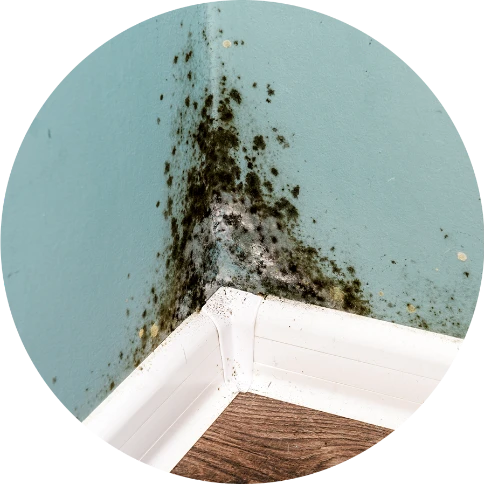
Condensation damp is one of the most common types of damp, and it usually happens when warm, moist air hits a cold surface — like a window or a poorly insulated wall. When that warm air cools down quickly, it turns into water droplets. You’ve probably seen this on windows after a hot shower or while cooking.

If left unchecked, it can lead to black mould, a musty smell, and damp patches. It tends to show up in places with poor ventilation, such as bathrooms, kitchens, or any room that doesn’t get much fresh air.
Rising Damp

Rising damp happens when moisture from the ground makes its way up through the walls of your home. This is usually down to a damaged or missing damp-proof course — the protective barrier that’s supposed to stop water from creeping upwards.

You’ll often spot signs like tide marks on the walls, flaking or bubbling paint, rotting skirting boards or floorboards, and that tell-tale musty smell. It tends to affect the lower parts of walls, especially on the ground floor, and can cause a lot of damage if left untreated.
Penetrating Damp

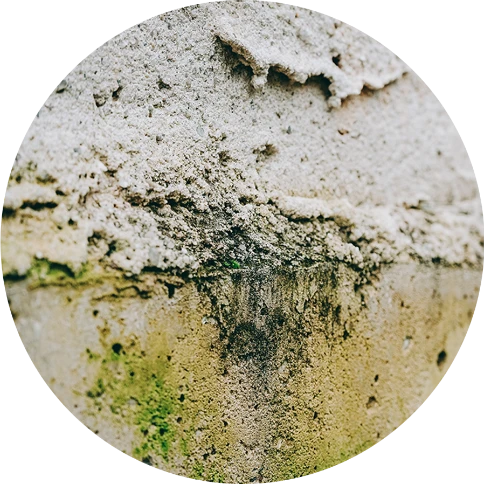
Penetrating damp happens when water finds its way into your home from the outside, usually through cracks in the walls, roof, or around windows and doors. Unlike rising damp, it doesn’t just stick to the lower parts of the walls — it can appear anywhere, depending on where the water is getting in.

You might notice damp patches that get worse after it rains, along with signs like crumbling plaster, stained walls, or peeling wallpaper. If left unchecked, it can cause serious damage to your home’s interior, especially during wet weather.

But condensation isn’t the only culprit. Damp can also come from outside the home. For example, if you have damaged or missing roof tiles, rainwater can seep in. Broken or leaking pipes — whether they’re inside or outside — are another common source of unwanted moisture. Even small cracks in walls or poor pointing in brickwork can let water in over time, leading to patches of penetrating damp.

In short, a combination of moisture from daily life and structural issues that allow water to get in or stay trapped is usually to blame. The good news is, once you understand where the problem is coming from, there are effective ways to fix it and stop it from coming back.


Are you a like Rose?

Rose’s Story: New boiler installation at my mothers house who is 92 years old. A big thank you to everyone involved who made this installation go as smoothly as possible. Shaun explained everything in detail and the installers, Carl and Paul (and the young man) worked very hard and were polite and courteous to my mum. Everyone involved was great. Thank you again.

Kev F

Ready to find out if you qualify for a energy efficiency grant?

Click the ‘Check if I qualify’ button below and in 4 minutes you can check your eligibility.

Check If I Qualify

Other Measures Availible

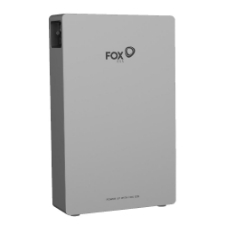
Battery

Energy Saving impact

FIND OUT MORE

Hybrid Heat Pump

Energy Saving impact

FIND OUT MORE

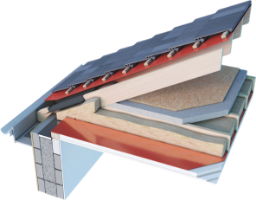
Roof Insulation

Energy Saving impact

FIND OUT MORE

Areas we cover…

Check if you are eligible for a free survey

Are you eligible for funding via Warm Homes Grants?

1

Submit your Postcode and confirm your address via the orange button

Use our simple online system to see if your property qualifies.

2

With your consent, we will check what grants are avilible and laise on your behalf

A Low EPC rating within a certain postcode can guarantee free upgrades, some grants have a qualifying process where income and benefits can also mean free upgrades

3

We Handle the Rest

Our expert team confirm your eligibility, books survey at conveinvent time. Our trained and fully registered Surveyor visits your home for teh survey and we complete installations.

4

Provide you with a Warranty of work as per Government Legislation

Along with the gov warranty you receive your guarantees for each completed installation.

Frequently asked questions about Eco Grants

Start your Energy Efficiency journey with us

RMS Energy has been retrofitting homes throughout the UK since 2012. Our team of industry experts can help with advice, design and installation to suit your home.